

Sharp, unforgiving and avoidable
Pakistan’s cloudbursts, the timber mafia and a century of bad choices
In recent weeks Pakistan has been reminded, in the most brutal terms, that nature’s extremes are magnified by human choices. Cloudbursts and sudden flash floods have torn through mountain villages and paralysed cities, killing scores, sweeping away homes and leaving entire communities engulfed in mud, boulders and shattered livelihoods.
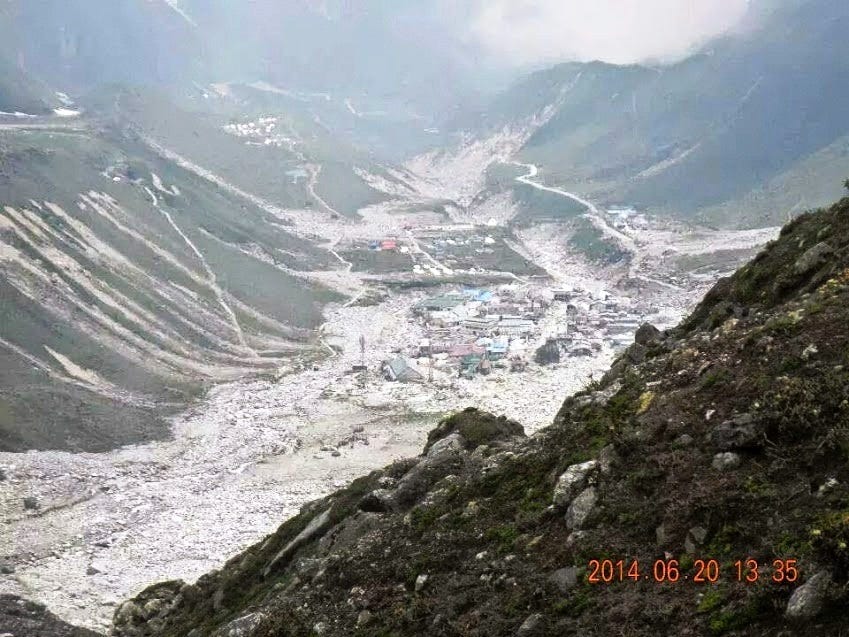
These events are meteorological, but their cause, scale and lethality are political. They are the product of long-term deforestation, weak land governance and an illicit timber economy that strips the landscape of the very buffers that make heavy rain survivable.
Cloudbursts
Cloudbursts are short, extreme deluges concentrated over very small areas. In steep, fragile terrain such downpours turn into flash floods and landslides in minutes: water that would once have been slowed, soaked and held by forests instead becomes a high-velocity mass that scours slopes and sweeps away everything below.
Scientific analyses from Pakistan’s northern basins show exactly this dynamic. Where tree cover has been removed, floods are faster, landslides more frequent and more destructive. Restoring vegetation and protecting watersheds is not optional mitigation. It is fundamental hazard reduction.
Timber mafia
That is where the timber mafia enters the story. The phrase captures networks of illegal loggers, local intermediaries and political patrons who profit from cutting and selling timber while enforcement looks the other way. In this latest disaster national and provincial leaders have publicly linked the scale of destruction in several provinces to illegal logging, encroachments and unregulated mining in waterways.
They have ordered action against those who cut, sell and enable the destruction of hill forests. The arithmetic is stark: trees that once slowed and soaked water are sold for short-term gain; when the rains come, the bill is paid in lives.
Tree tsunami
It is also important to be honest about recent history. Until Imran Khan’s government, Pakistan had never attempted afforestation at national scale. First came the provincial Billion Tree Tsunami, then a national 10 Billion Trees drive that drew global recognition. Khan’s administration had also begun linking plantation with enforcement against illegal logging. Since his removal, that momentum has largely collapsed, leaving plantations without the governance backbone needed to protect them.
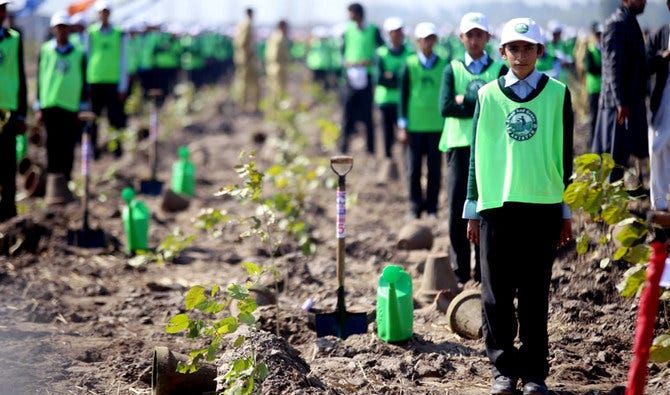
But planting seedlings and defeating a timber economy are different tasks. Independent audits, academic critics and reporting warned that planting alone would not fix governance gaps, and the political upheaval after Khan’s removal raised immediate doubts about whether the drive’s momentum and the harder work of enforcement would survive a change of government. In short, the large-scale work of plantation was largely launched under Khan, and follow-through on law enforcement, watershed science and community rights has been uneven since.
This framing matters because it shapes policy. Tree planting as a headline initiative is valuable, but it is not a substitute for the unglamorous technical and political work that actually reduces flood and landslide risk. That work includes mapping illegal encroachments, prosecuting organised timber networks, securing community land rights so local people benefit from protecting trees, and investing in natural regeneration and slope stabilisation where it is urgently needed. Without those elements, saplings will struggle to survive and the incentives that drive illegal cutting will remain.
Way forward
So what should happen next? First, treat the timber mafia as a governance problem, not a metaphor: transparent supply chain audits, visible prosecutions and removal of the political cover that allows organised cutting. Second, pair immediate emergency engineering, such as slope stabilisation and debris removal, with community forestry programmes that give villagers legal income for protection rather than for cutting. Third, invest in early warning and evacuation systems tailored to cloudbursts and flash floods, because those fast, localised events demand hyperlocal preparedness. Finally, international climate and development partners should support long-term watershed science and institutional reform, because large-scale planting without durable institutions is just a series of photo ops.
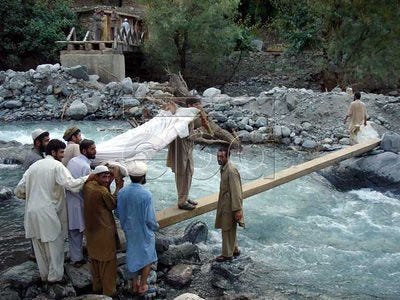
An honest public conversation about Pakistan’s floods must hold two truths at once. Yes, climate change is likely increasing the frequency and intensity of extreme rainfall events across South Asia. And no, climate as a cause does not absolve politics and policy: decades of forest loss, weak local rights and the perverse incentives of an illicit timber economy have turned otherwise dangerous storms into recurring national catastrophes. Breaking that pattern will be costly and politically difficult. But the alternative, repeat disasters, avoidable deaths and deeper cycles of loss, is already unfolding.
If this text has a single plea it is simple: plant trees and prosecute the cutters. Use resources to restore watersheds and give local people a stake in protecting them. Treat planting drives as the opening act, not the final scene. Only then will cloudbursts stop being catastrophic headlines and start being events we can survive. The choice is political, and the cost of delay now will be counted in lives the next time the mountain traps the storm.
such a shame we lost one of the great leaders of the world in Imran Khan.